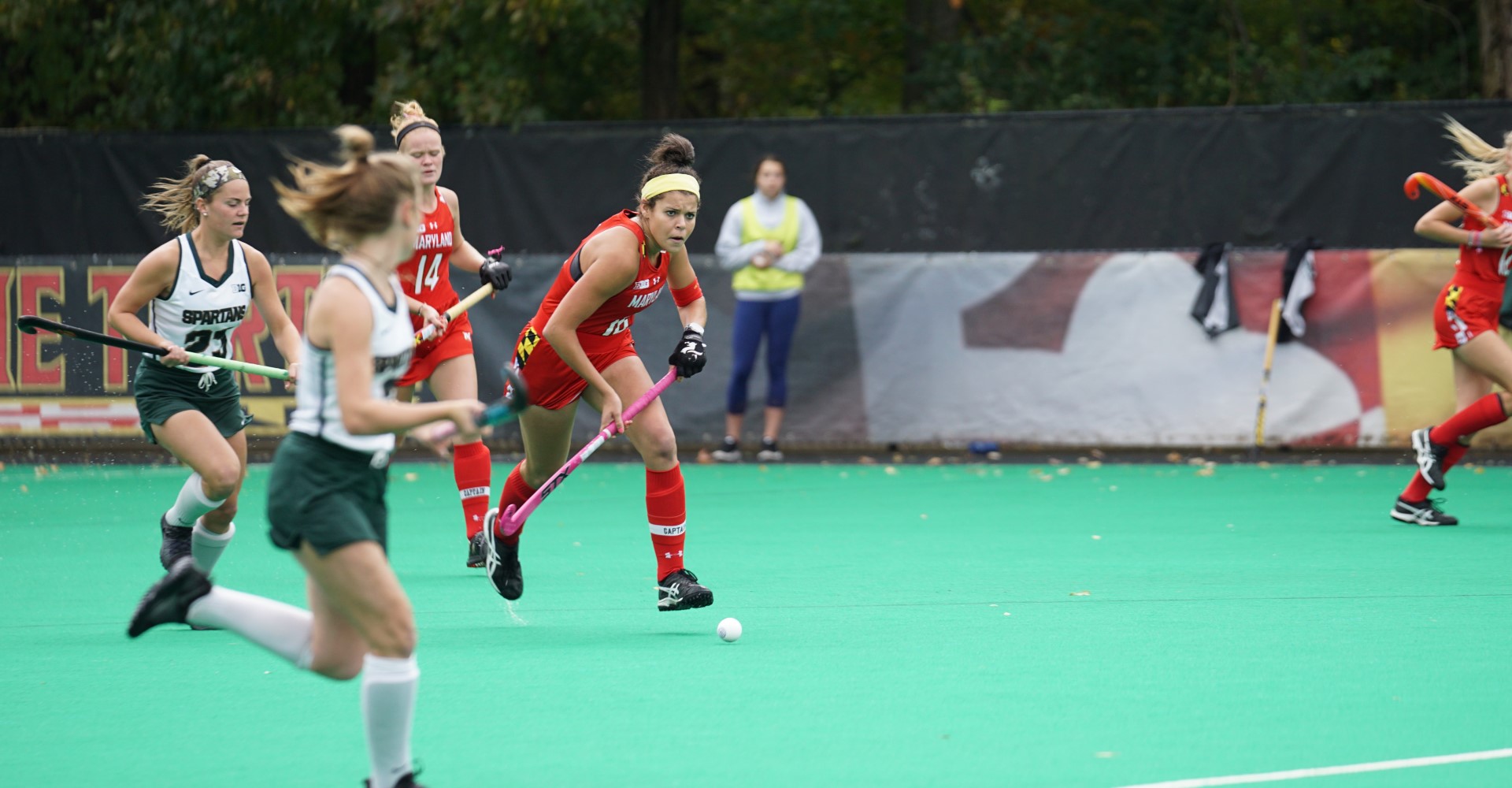
I’m sitting in a Great Britain hockey debrief. Last night we beat Malaysia 3-1 here in Kuala Lumpur, one of five practice games in the heat and humidity of southern Asia. We are here to and acclimatise and improve performance ahead of the Olympic Games. Olympic selection is imminent, of the 22 athletes in the room, some won’t make the cut after years of preparation. The athlete debrief is led by Head Coach Danny Kerry who coached the GB Women to gold in Rio in 2016.
The 60 minute session is a discussion. Danny asks questions, the players respond, they all contribute. If they don’t understand a point, they ask, when they ask, he seeks the answer from the athlete group. If Danny misreads things, he says so. Everyone is happy to speak up. Nobody is belittled, humiliated or made to feel lacking in the value they bring.
This is a safe environment, it hasn’t happened overnight, it’s the result of hard work from all staff and athletes.
Our backgrounds may differ, but whether in high performance sport, military special forces, or specialist police roles, there is a recurring thread and a common belief. We all understand the vital role psychological safety plays on any team in any workplace.
It makes no difference whether we are on the military frontline in Afghanistan, preparing for the Olympic Games in Kuala Lumpur or working with our clients in the highways industry, psychological safety is pivotal.
What is psychological safety?
Psychologist, Amy Edmondson sums it up perfectly in three stages.
Can you be yourself in your workplace, do you feel you can freely engage and ask questions and receive answers. Can you challenge? If the answer is yes, you are on the way to creating psychological safety.
But is it just about being able to speak up?
My experiences tell me it is about much more than just having your say.
Ultimately, environments without psychological safety lose the capacity to learn, they are cramped, almost like a choke hold on development. How can you learn if you fail to interact?
So what stops us?
Most people in organisations are being evaluated, overtly or implicitly. The presence of others with more power or status exacerbates this. The issue does not disappear with peers or subordinates. As human beings we are naturally sensitive to being judged.
There are four specific risks to image or ego
1. Seeming ignorant
2. Feeling incompetent
3. Fear of being wrong
4. Reluctance to hear something we don't like
Psychological safety in practice
I spent 18 years as a Specialist Firearms Officer working with SO19 in the Metropolitan Police.
In several thousand firearm operations, the stakes were high. The development of the individual and the team paramount.
We were open and honest with our feedback. This was work and we managed to remove the emotional response, it was all about the bettering of the team, and never personal. It took a while, but we got there and had psychological safety in droves.
Anything less would have put lives at risk. The team leaders played a vital part in creating the space, accepting error, showing personal fallibility, engaging in pull style leadership.
Asking questions, promoting discussion, encouraging challenge. Gradually, our debriefs became open conversation. The team bought into the culture, engagement became the norm and we were a more efficient learning group.
In Cleartrack, we witness both the benefits of psychological safety and the collateral damage faced by our clients in organisations where it doesn’t exist.
In Olympic sport, the impact is on performance, on the highways, psychological safety has a direct impact on behavioural culture and ultimately, physical safety.
Psychological safety needs to exist at all levels, from blunt end to sharp end, from department to department, from crew to crew, gang to gang.
We hope to perform well in Tokyo in the summer, we will be judged by how we perform on the pitch, but it is the strong culture of psychological safety that lays the foundation for the learning and development of the team.