
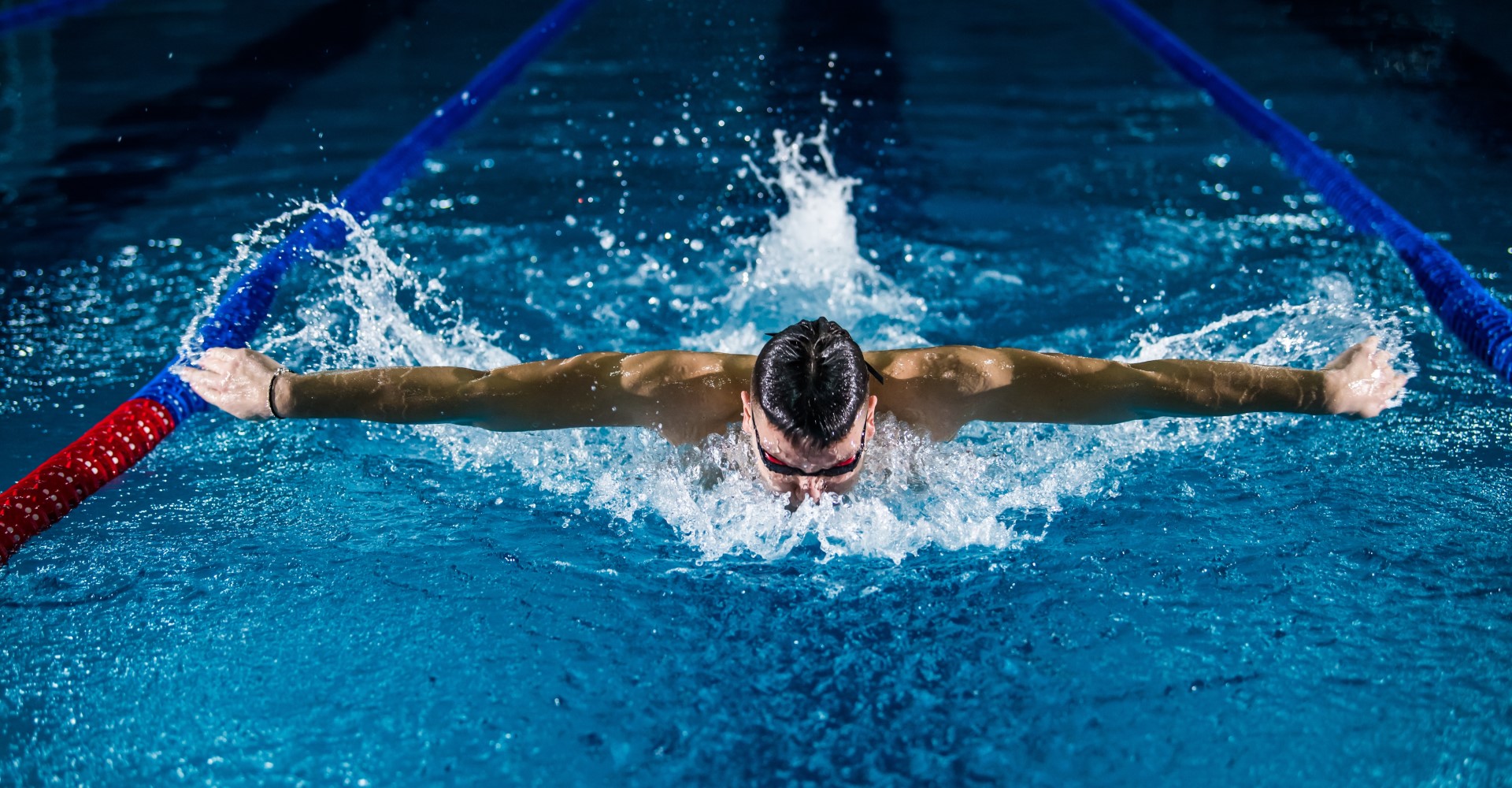
I’m sure we all notice, from the comfort of our sofas, how sports are either performing beyond all expectations at the Olympics this year or leaving a lot to be desired.
I say sports because, although we see the athletes at the pointy end of the competition, success is not just determined by them. There are the athletes that compete, coaches, nutritionists, psychologists, strength coaches and team managers, not to mention the wider support teams that are left at home.
Contrary to popular belief, success is also not determined by how much the athlete wants to win, or how hard they work. Having been involved in a couple of these sports throughout my life, it is mind-blowing how much time, effort and energy goes into this top end performance. Forget the 9-5. Even as I was on the development pathway as a rower, working 2 jobs and studying for a masters degree, I was training over 24 hours a week.
Let’s take hard work as a given for this piece; arguably this is a constant for all athletes and coaches at the top end. Hard work may look different for each of them, but it does not waiver.
So we take out desire. We take out work ethic.
What is it that has rocketed British BMX and British Swimming up the medals table?
Sure, there are a lot of things. But I want to focus on The Winning Habit. The energy we see from athletes on TV when they watch their teammates win medals, and they then go on to win one themselves. That feeling when we cannot do anything wrong.
That has certainly been the feeling at the Tokyo Aquatics Centre for Team GB. The most successful Olympic Games for British Swimming in history. The most successful British Olympian in a single Games for Duncan Scott. A whole host of Olympic medals in a range of events and disciplines. It has certainly been a pleasure to revel in their performance.
But you may not remember 2012. The Home Games. There was so much hype and so much excitement for what it could hold.
3 medals were won. Double bronze for Rebecca Adlington and a silver for Michael Jamieson. Each had brilliant performances, however…
I was in my final year as a swimmer and I couldn’t believe what I was witnessing; how had all of our medal hopes dissipated? In the cycle with the most national funding allocated to the sport, what had gone wrong?
And the far bigger question…
How do we improve from here?
I stepped away from the sport (and into another) but British Swimming began a massive rebuild. Questions were asked regarding funding and its distribution. Coaches and athletes moved between training centres. Problems were tackled in a different way.
A line was drawn in the sand. The sport crossed it. They never looked back.
Rio 2016 was the next test. After falling well short of their 2012 medal target, this became a moment of truth.
6 medals. 1 gold, and 5 silver medals. It was a young team. A team full of energy and momentum to change the tides of the sport they loved so much. A team that had put 2012 far from their memories, determined to rewrite history in their own way.
That team, in many senses, is the one that flew to Tokyo this year. A core number of athletes remain the same. Now hitting their prime, with 5 years more experience, ready to take to the pool once again.
No-one really knew what to expect this year, but the camaraderie that was evident is something I have never seen from a British Swimming team before. The tears of joy shed for teammates. The sacrificing of individual events in order to deliver for the team. A complete lack of self-interest.
It was a team that spoke openly about the pressures they have felt over the last 12 months. They celebrated with each other and offered incredibly rational debriefs in their interview following qualifications ready for the finals. I have no doubt there was even more that went on behind the scenes. There was confidence in each other, in the coaches, in the work that had been done.
Adam Peaty said it himself; belief had changed the whole team.

Creating an environment of learning and belief means that, when under pressure, athletes step up rather than doubt themselves and retreat.


