

I am fortunate to be working as Team Manager with the Great Britain Men’s Hockey team at the Olympics in Tokyo, a role I’ve had for 12 years.
Feeling such a positive vibe here in the Team GB HQ is inspiring, being around athletes and staff who are competing and working at the very top of their game, witnessing elite sport and all that supports it 24/7.
With the medal count for Team GB rising by the day, there is an understandable clamour to find out how athletes reach the dizzy heights of the Olympic podium.
Defining High Performance
The truth is that, in the majority of cases, the hard work has been done well before arrival in Tokyo.
The phrases, ‘small gains’, ‘commitment’, ‘hard work’ and ‘sacrifice’ will always surface, but do these underpin high performance? What ultimately defines a person’s ability to compete on the biggest stage?
For the majority of my working days, I have worked on teams that we would all associate with high performance; SO19 specialist police firearms, special forces and international sport. At CLEARTRACK PERFORMANCE my peers are all high performers. I’m sure we’d all define high performance with a slightly different slant, but high performance is about creating a shared culture and environment that will enable you to problem solve fast, together, and with people you don’t know.
It goes beyond becoming the best in your discipline, your sport or your industry.
We can’t all achieve the relentless search for “marginal gains” in our working lives. From my experience, I would actually ask whether this is the ‘high performance’ that we should be striving for?
At Cleartrack Performance, we understand the drive for performance, but importantly, we are able to differentiate between this and being highly reliable.
Turning up, day after day, making effective decisions. Getting the basics right. Communicating effectively and delivering under pressure alongside your team.
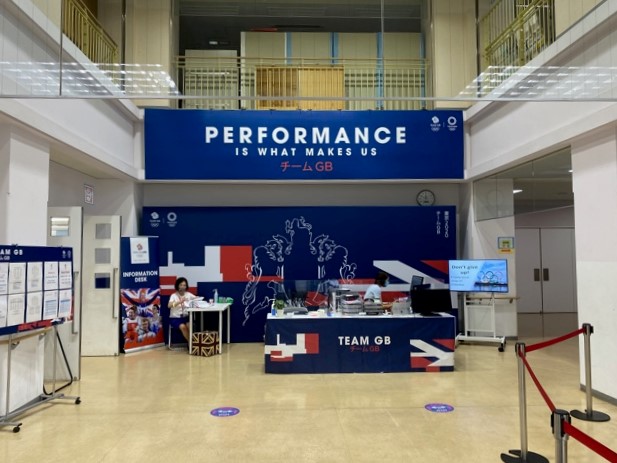
If you watch those winning medals this year, they aren’t the show-stopping performances we remember from previous years (although I may change this statement after the 400m hurdles World Record was beaten so decisively this morning!). That doesn’t mean they aren’t there or aren’t any less impressive. The pandemic has changed the landscape of athletic performance.
Athletes are coming out and delivering, round after round. Take Charlotte Worthington for example. She made a mistake on round one of her BMX freestyle routine and crashed, hard. 30 minutes later and she’s back on course, was the first woman ever to land a 360 backflip in competition and delivered the rest of the routine to get a remarkable gold medal.
She made an error. They happen. It was her response that defined her. Understanding why the fall happened and what steps she needed to take next time to rectify it. And respond she did!
Let’s take this back to the workplace.
Do we need to be high performers, continually searching for the extra magic that will define our achievements?
Or, is ‘high reliability’ under pressure more relevant in our working lives?


